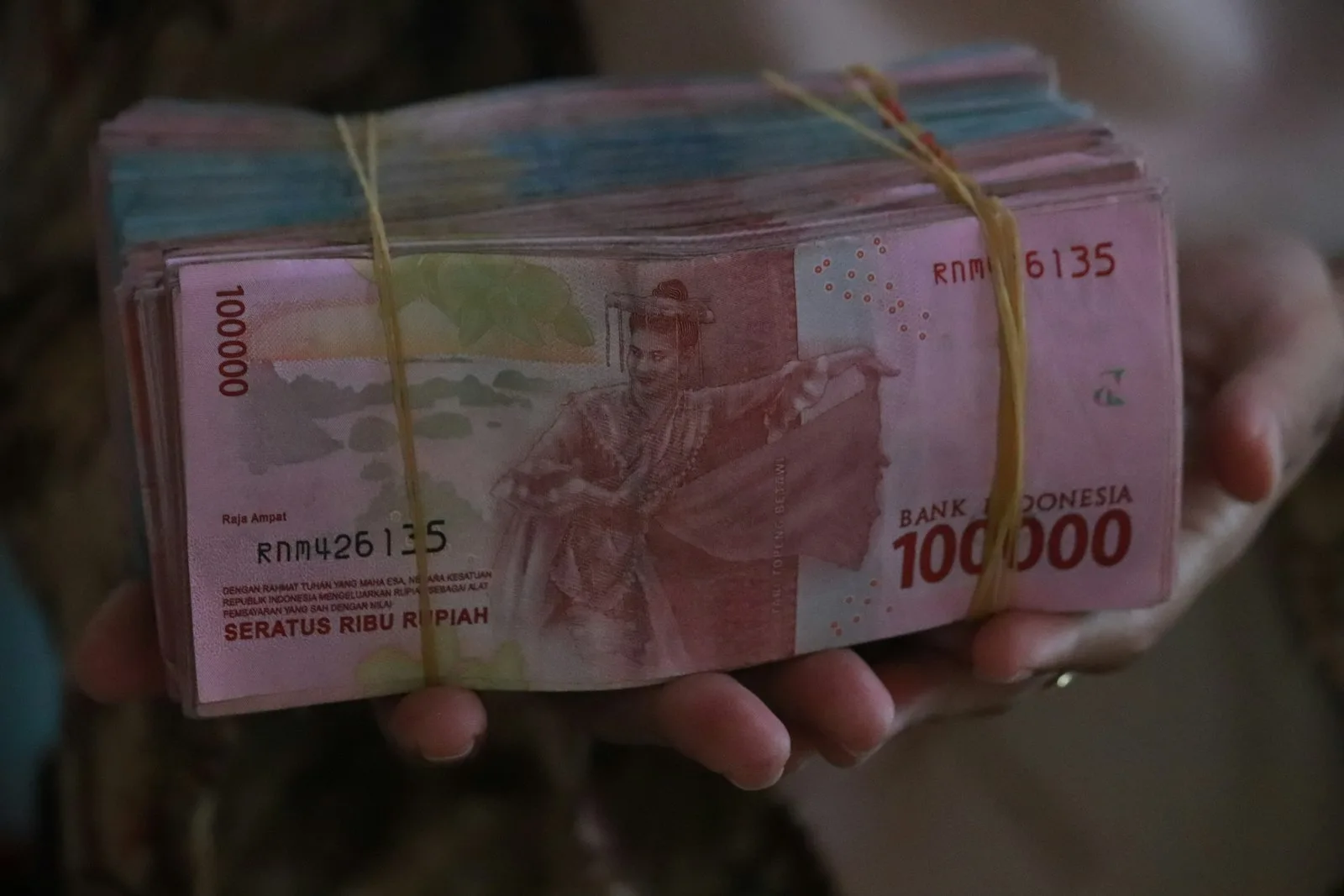
Bank transfer is free. That is why almost every shop starts there, and why almost every shop stays there too long.
The question owners usually ask us is which payment method is cheapest. That is the wrong question, because the fee is only one of the two prices you pay. The other one is your time, and it does not show up on any statement.
Here is what each option actually costs a shop in Indonesia, and when it stops being worth it.
Bank transfer: free, until you count the screenshots
A customer transfers, sends you a screenshot, and you check the balance in your banking app. Usually that screenshot lands in the same WhatsApp thread the order came from. No fee, no setup, no contract. For the first few orders a day this is genuinely fine. Do not let anyone tell you otherwise just because they have a gateway to sell you.
The cost shows up later. Every payment needs a human to confirm it. Someone has to open the app, find the amount, match it to the right order, and reply. Say that takes two minutes when it goes smoothly.
At ten orders a day it is twenty minutes. At forty orders a day it is over an hour, every day, and it is an hour that has to happen while customers are waiting.
Then there are the ones that do not go smoothly:
- Two customers send the same amount within a few minutes and you cannot tell which is which.
- Someone rounds down by a thousand rupiah and you have to decide whether to chase it.
- The screenshot is edited, and you only notice at the end of the month.
- Someone pays at 11pm and waits until morning for a reply, then buys somewhere else.
None of these are disasters on their own. Added up over a month, they are the reason your evenings disappear.
QRIS: the middle step most shops skip
QRIS is the obvious next move and a lot of shops never make it, usually because nobody explained the fee clearly.
The rate is set by Bank Indonesia rather than by whoever signs you up, so it does not change much between providers. For a normal shop it sits around 0.7 percent, and micro merchants pay less. Rates and the rules for the smallest merchants have been adjusted more than once, so check the current published numbers before you plan around them rather than trusting a number in a blog post, including this one.
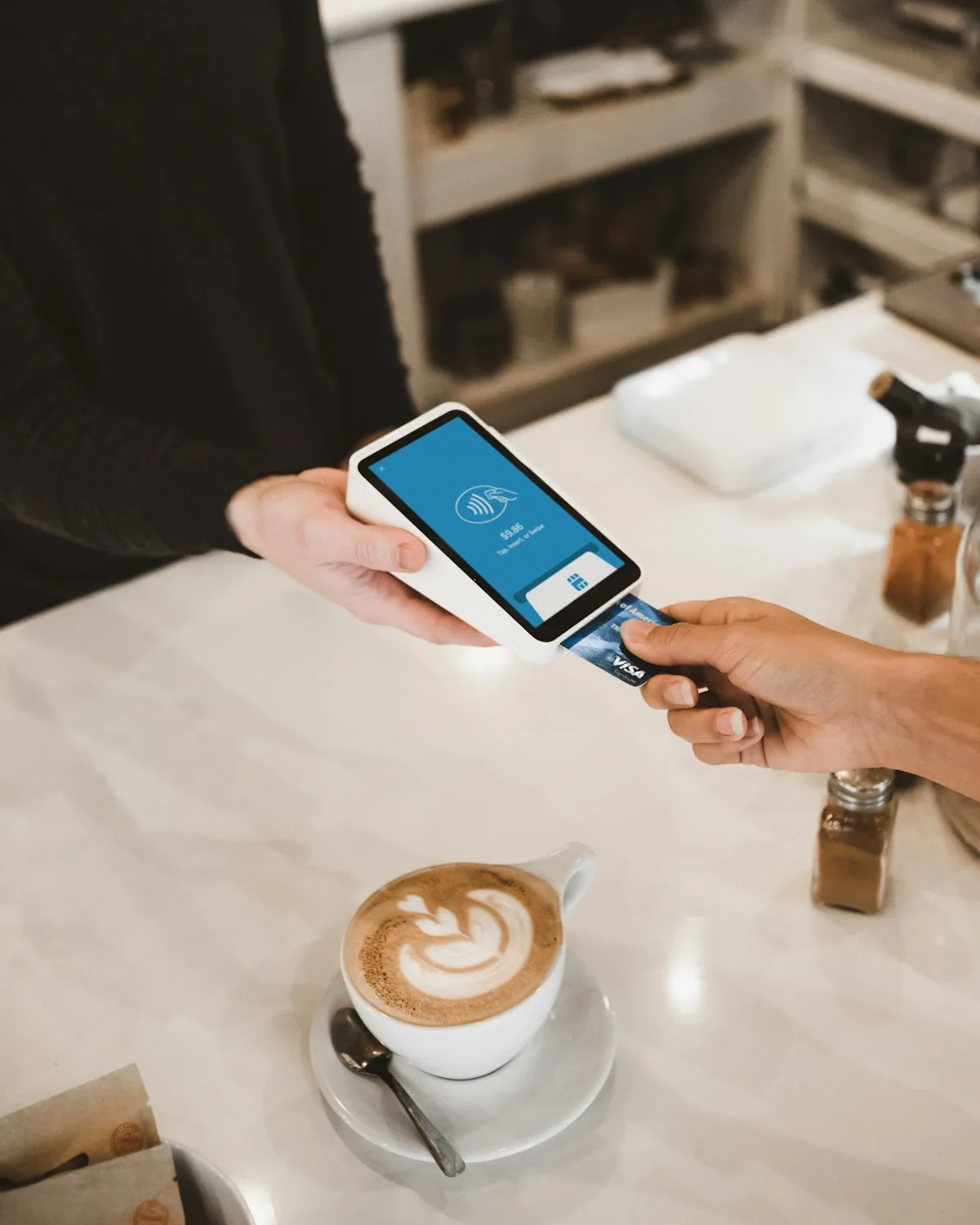
What you get for that fraction of a percent is the part worth paying for. The payment confirms itself. Nobody sends you a screenshot, nobody waits for you to check an app, and the money is recorded against a transaction rather than appearing as an anonymous line in your account.
Run the numbers on a shop doing 30 million rupiah a month. At 0.7 percent that is 210 thousand rupiah in fees. If it saves an hour a day of checking and replying, you have bought back roughly 30 hours for about the cost of a lunch for two.
For a physical counter, QRIS on its own covers most of what a shop needs. Many owners stop here, and that is a perfectly good place to stop.

A payment gateway: for when the order arrives without you
Midtrans, Xendit and the rest do something different. They are not a cheaper way to take money at a counter. They are how a payment gets attached to an order automatically when you are not there.
That starts to matter the moment you sell online. A customer picks items, checks out, pays, and your system marks the order paid and starts the packing process without anyone touching it. That is what you are paying for. It is also why a gateway is pointless if you are still writing orders in a notebook, because there is no system for it to talk to.
Fees vary by method rather than by provider. Virtual account transfers tend to be a flat few thousand rupiah per payment. Cards run a few percent. QRIS through a gateway costs about what QRIS costs anywhere. Both Midtrans and Xendit publish their full rate card, and you should read it against your actual mix of payment types rather than against the headline number.
The rough rule we use with clients: a gateway earns its keep when orders come in while you are asleep, or when a person confirming payments by hand has become the slowest step in your day.
If someone still has to check every payment by hand, you do not have online payments. You have a faster way of asking for a screenshot.
COD, briefly
Cash on delivery sells well and is expensive in ways that never appear as a fee. Returns are far higher than on prepaid orders, and each one costs you the shipping both ways plus the stock sitting in a van instead of on your shelf. Then someone has to reconcile courier payouts against orders, which is the screenshot problem again with more steps.
It is a legitimate tool for winning first-time customers who do not trust you yet. Just look at the return rate on COD orders separately from everything else, because averaged together they hide each other.
So which one
Roughly how we would set it up, in order:
- Selling face to face, under twenty orders a day. QRIS at the counter, transfer as backup. Skip the gateway.
- Selling through chat, and getting more than an hour a day of confirming payments. QRIS with a fixed static code, and start moving orders out of chat so payments have something to attach to.
- Selling from your own online store or across marketplaces. A gateway, because automatic confirmation is the whole point.
- Selling everywhere, and payouts no longer match your records. The payment method is not your problem anymore. The problem is that nothing connects, which is step two. If your stock numbers have started disagreeing with each other too, that is the same root cause showing up twice.
Most shops we talk to are on line one or two and are being sold line three.
The part that actually matters
Whichever way you take money, the cost is not the percentage. It is whether a human has to be involved for the payment to count.
Free with a person checking every payment is more expensive than 0.7 percent without one, at almost any volume worth caring about. That is the whole calculation.
If you want a straight answer for your own numbers rather than a general rule, getting your shop online properly is where payments get set up as part of the whole picture. Or start with a Retail Health Check and we will tell you whether payments are even your biggest leak. Often it is not. Often it is stock that does not match.